
Toxic-Phobic, With Implants: What Jenny McCarthy’s Answer Gets Right About Breast Implants and Mold

Jenny McCarthy, smiling, long blonde waves, black sleeveless turtleneck, on the red carpet at the Malibu Film Festival for An Inconvenient Study, Hollywood, October 2025. Editorial photo, mwood99 / Shutterstock.com. Commentary by Frank Agullo, MD, FACS.

Jenny McCarthy has been candid about a rough two years: dental infections, oral surgeries, growths on her eyelids, and a functional medicine doctor who, she says, told her she had mold and mycotoxin poisoning. In October she said she was sleeping in a tent during a mold detox. She calls herself “toxic-phobic.” So a listener put the obvious question to her on the November 3 episode of her podcast: then why the breast implants?

Jenny McCarthy, smiling, long blonde waves, black sleeveless turtleneck, on the red carpet at the Malibu Film Festival for An Inconvenient Study, Hollywood, October 2025. Editorial photo, mwood99 / Shutterstock.com. Commentary by Frank Agullo, MD, FACS.
Jenny McCarthy at the Malibu Film Festival for An Inconvenient Study, Hollywood, October 12, 2025. Editorial credit: mwood99 / Shutterstock.com

“Touché. You are correct,” she said, per Entertainment Weekly and Yahoo. Maybe when she is older. Not now.

The internet treated that as a contradiction. I do not. A reporter asked me about the story the next morning, and my answers, quoted below word for word, are the same ones I give in my office.

The Mold Question Has a Short Answer

“Is there a link to mold or mycotoxin poisoning? The answer is no, there is no established link. There are case reports of fungal growth inside breast implants, but this is incredibly rare and limited to saline breast implants that are much older. This is completely different from implants making someone sick from being in a moldy house. If you think you’re getting sick from mold you should seek medical attention to figure out what’s going on.”

A modern silicone gel implant is a cohesive gel in a shell. There is nothing in it for a fungus to live on. The case reports people pass around are old saline implants, opened at removal, with growth inside the water. That is a curiosity in the literature, not a mechanism for illness, and it has nothing to do with a house.

What Breast Implant Illness Is, and Is Not

The real conversation is the one nobody on the podcast used the words for.

“Some patients do have … breast implant illness (a constellation of symptoms including fatigue, brain fog, and joint pain that is not well understood, does not have a formal diagnosis, but some patients do feel better after explant).”

I take it seriously and I am honest about its limits in the same breath.

“If you have had your implants all this time and felt fine, you are probably never going to have that problem. It is pretty rare. Of the thousands of breast augmentations I have done, maybe ten or a dozen women have wanted their implants out because they felt the implants were affecting them. And they usually do feel better when we remove them.”

“But I am honest about this part: a lot of the time we do not really know whether it was the implants or something else. As you get older you start getting some aches and fatigue anyway, and those are normal parts of aging. If you have implants, it is natural to blame them.”

When a patient does decide the implants go, here is what my own practice has taught me to expect.

“I would say eighty percent feel better, but twenty percent say it wasn’t the implants, and many of them come back and have implants put in again.”

Why Her Answer Is the Right Kind of Answer

She did not claim her implants were safe because a celebrity said so, and she did not rip them out because the internet asked her to. She said she likes them, she has already downsized from what she was given at 19 or 20, and she may revisit it later. That is exactly the frame I want a patient in.

“If your breast implants aren’t bothering you, you love the way they look, and they’ve been in place for years and years without complication, staying with them is totally fair. Explant is still surgery with a recovery and the breasts will probably be looser or flatter, and some patients will want a breast lift at time of explant to be happier with their breast contour.”

The reporting says her current implants are Motiva. That detail matters more than the mold talk, because it changes the maintenance math.

“The Motiva implants I use now have a very low rupture rate, under half a percent, and a very low rate of capsular contracture, also around half a percent, compared with ten to fifteen percent for some older implants. Because of that, I do not tell patients they have to swap them every ten years the way we did with the old ones.”

What I Would Tell Her, and You

“If you’re considering explant I encourage you to: Know your breast implants (saline or silicone? Textured or smooth? How old are they?) Have the imaging studies suggested by your surgeon. Be on the lookout for changes including pain, swelling, lump, breast implant shape change. Consult with a board-certified plastic surgeon to discuss breast contour changes (will you need a breast lift?)”

The full version of this, with the complication table, how I examine an implant a patient blames and what explant and a lift involve, is on Agullo Plastic Surgery. The checkup side, what to bring and when to image, is on Southwest Plastic Surgery. What actually ruptures an implant was last week’s read, and the revision conversation in five words is here.

The Line I Want You to Keep

“If your implants are intact and you feel well, keeping them is a valid choice, and if you want them out, that is valid too. What matters is that the decision is based on what we know, not on fear. Right now there is no evidence that implants cause mold illness, but changes in your breasts should never be ignored.”

Why Choose Dr. Agullo

I am certified by the American Board of Plastic Surgery and the American Board of Surgery, trained in plastic surgery at the Mayo Clinic, and teach as Clinical Associate Professor of Plastic Surgery at Texas Tech University Health Sciences Center. Castle Connolly has listed me as a Top Doctor every year from 2014 through 2026. I remove, exchange and revise implants every week, and I am a site investigator on the national Motiva post-approval study.

Ready to Talk?

Unsure whether your implants stay or go? Bring your implant card and let me look. Call (915) 590-7900, text 1-866-814-0038, or book online at agulloplasticsurgery.com/appointments. #StayBeautiful

Find me at @RealDrWorldWide on Instagram, TikTok, and Snapchat, @Agullo on X, or @AgulloPlasticSurgery on Facebook.
Take Them Out, Swap Them, or Go Smaller: A Straight Talk on Implant Removal

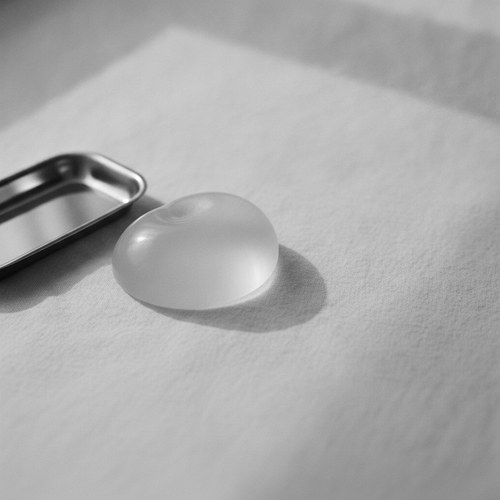
Black and white editorial portrait illustrating a breast implant removal and exchange consultation. Surgical commentary by Dr. Frank Agullo, MD, FACS.

Ten years ago, nearly everyone in my consultation chair wanted bigger. Now? Half of them want the reverse.

The pattern is consistent. A decade or more with the same implants. A late-night thread, a video, a friend who has felt off lately. And then the question, which I think deserves a real answer rather than a brochure. Should these come out?

Let me give you the version I give in the room, with nothing dressed up.

The Honest Truth About Breast Implant Illness

First thing I tell women. If you have carried your implants for years and felt fine the whole time, the odds are you will keep feeling fine. This is rare.

I have done thousands of augmentations. Out of all of them, maybe ten or twelve women have come back asking me to take the implants out because they felt the implants were the problem. When we removed them, most felt better.

I will not oversell that result, though. Plenty of the time, honestly, we cannot separate the implant from everything else going on. Aches. Fatigue. The fog that arrives in your forties no matter what is or is not sitting in your chest. When you have implants, they make a convenient suspect. The research is still catching up, so I am not going to hand you a certainty the science has not earned.

And I am not in the business of talking you out of removal either. My only job is making sure you decide with the whole picture, not the cropped one you found online at midnight.

Textured Implants Are a Different Conversation

This one I weigh differently. Textured implants, the kind with a rougher shell, have been associated in some patients with a specific type of lymphoma. Low risk, roughly one in a few thousand, and tied to that textured surface rather than to smooth implants.

So if you are carrying textured implants and feel perfectly fine, swapping them for smooth is still a reasonable move. My philosophy here is not complicated. When a problem can be sidestepped, I would rather sidestep it than wait around to find out. A breast augmentation revision is exactly the operation that does it.

What Removal Actually Does to Your Shape

Now the part nobody loves hearing. Pull out an implant of any real size and you will drop a cup size or more, and yes, things sag. That implant was propping up volume your skin stretched to hold over the years. Remove the prop and the skin does not spring back to where it started.

Which is why removal by itself is rarely the whole story. To look good afterward, most women need a breast lift in the same operation, raising and tightening everything into place.

Want a little fullness up top still? We have moves for that. I will not add fat to the breast during the removal itself, because the empty pocket needs to close off first. Come back a few months later feeling too flat, and fat grafting can put a little body back without committing you to another implant.

Going Smaller Instead of Going Without

A lot of women land right here, and I love this option.

We take out the big old implant, perform a lift, and drop in a small one, sometimes just 150 or 200 cc, purely to hold a bit of cleavage and shape. A small implant behaves more predictably than fat. Reliable size. It does not shift every time the scale goes up or down on you.

Path What You Gain What You Trade
Remove only Implant gone, simplest plan More sag, a cup size or more lost
Remove plus lift Tighter, lifted shape A lift scar, longer operation
Remove, lift, downsize Lifted shape with a little fullness on top A small implant stays in
Remove, lift, fat later Soft, natural touch of volume Staged over a few months

Are the Newer Implants Safer?

The Motiva implants I place now run a rupture rate under half a percent and a capsular contracture rate also around half a percent. Set that beside the ten to fifteen percent we used to see with older devices and you understand why I stopped telling patients they have to swap every ten years.

These could go a very long time. I often add an internal bra, a mesh that holds everything in place so the result holds too. Patients here in El Paso and across the border read about the same options on our breast lift page.

Get the Imaging First

Often, yes. A new firmness, a shooting or stabbing sensation, or just plain uncertainty about whether the implant is intact, any of those earns an ultrasound so we can look at the shell and rule out a rupture. If we need more detail, we step up to an MRI.

Sometimes that little stab is nothing more than the implant tickling a nerve. Harmless. I would still rather confirm it than guess at it.

The Credential Behind the Caution

I am double board-certified by the American Board of Plastic Surgery and the American Board of Surgery, a Mayo Clinic plastic surgery fellowship alum, and a Castle Connolly Top Doctor thirteen years running. Removal and exchange asks more of a surgeon than a first-time augmentation does, because the tissue has been operated on once already. That is the whole reason I insist on examining you, reading your imaging, and being honest about how your shape will shift before either of us commits to anything.

Ready to Talk?

If you are weighing whether to remove, exchange, or downsize, come let me take a look and we will build the plan around what you actually want.

For the patient-facing version of this conversation, see the companion post on agulloplasticsurgery.com. For the El Paso treatment menu, see the version on swplasticsurgery.com.

Call (915) 590-7900, text 1-866-814-0038, or book online at agulloplasticsurgery.com. #StayBeautiful.

@RealDrWorldWide on Instagram, TikTok, and Snapchat, @Agullo on X, or @AgulloPlasticSurgery on Facebook.